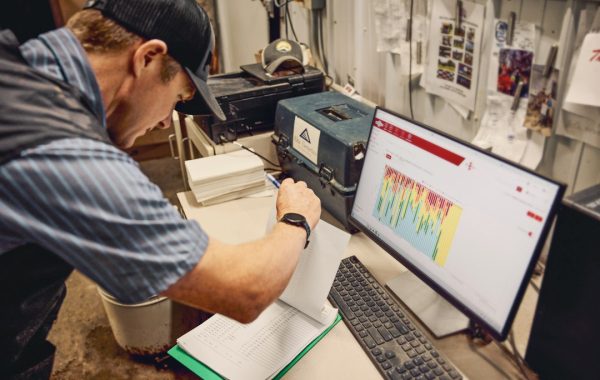
The quest for self-improvement and consistent habit formation often leads individuals down two distinct paths: the analog embrace of the paper bullet journal and the digital efficiency of habit tracker apps. In 2026, both approaches offer compelling benefits, but they cater to fundamentally different user needs and psychological drivers. This deep dive dissects their core philosophies—tactile mindfulness versus automated stats—to guide remote workers and productivity enthusiasts in choosing the system that best aligns with their goals.
The Tangible Appeal: Why Paper Bullet Journals Still Reign for Tactile Mindfulness
Despite the ubiquity of digital tools, the humble paper notebook continues to hold a powerful sway, particularly for those who find grounding in the physical act of writing and planning. The tactile experience of pen on paper offers a unique form of engagement that screen-based interactions often lack. This hands-on approach fosters a deeper connection with the goals being pursued, turning habit tracking from a mere data-logging exercise into a mindful practice.
Beyond Tracking: Bullet Journaling as a Mindful Practice
The Bullet Journal method, conceptualized by Ryder Carroll, is far more than a to-do list. It’s a customizable analog system for organization that encourages intentionality. The act of physically writing down tasks, reflections, and habit streaks engages different cognitive processes than typing or tapping. This deliberate manual input can slow down thought, promote deeper reflection, and create a stronger sense of ownership over one’s commitments. For many, the visual representation of progress in a notebook—a scrawled checkmark, a filled-in square—provides a more satisfying and immediate sense of accomplishment than a digital notification.

Setting Up Your Tactile Habit System: Essential Components
A functional paper bullet journal for habit tracking typically includes several key elements. A “Future Log” is essential for noting down habit goals for upcoming months. The “Monthly Log” provides an overview of the current month, where habit trackers can be designed. Crucially, the “Daily Log” or specific “Habit Tracker” spreads are where the day-to-day marking occurs. These trackers can take many forms: simple grids, habit trackers shaped like calendars, or even creative artistic representations. The key is flexibility; the user designs the system around their specific habits and aesthetic preferences.
Popular Bullet Journaling Techniques for Habit Formation
Within the bullet journaling community, numerous techniques enhance habit formation. The “Habit Tracker Grid” is perhaps the most common, featuring days of the month across one axis and habits down the other, allowing users to fill in cells as habits are completed. “Daily or Weekly Check-ins” encourage brief reflections on habit adherence. Some users employ “Strikethroughs” for habits missed, providing a visual cue for areas needing attention, while others use color-coding to denote different types of habits or levels of completion. The emphasis is always on personalization and adapting the system to one’s evolving needs.
Case Study: Mastering Habits with the Bullet Journal Method
Consider Sarah, a freelance graphic designer working remotely. Overwhelmed by digital distractions, she adopted a bullet journal to regain control over her routine. She created a monthly tracker for key habits: drinking 8 glasses of water, exercising for 30 minutes, and reading for 20 minutes. Each evening, she’d physically fill in the corresponding squares. The visual spread of her progress, or lack thereof, over the month provided a powerful motivational tool. Missing a day wasn’t just a missed notification; it was a visible gap in her grid, prompting her to recommit the next day. The act of journaling her daily reflections on these habits also provided deeper insights into potential roadblocks, like her tendency to skip workouts when feeling stressed.
The Digital Edge: How Habit Tracker Apps Offer Automated Stats and Seamless Integration
On the opposing side of the ring, digital habit tracker apps leverage technology to provide unparalleled convenience, sophisticated data analysis, and integration with other aspects of our digital lives. These apps are designed for efficiency, offering features like automated reminders, progress charts, and gamified experiences that can be highly motivating for users who thrive on data and digital feedback loops.
AI-Powered Insights: Leveraging Apps for Data-Driven Habit Improvement
Modern habit tracker apps increasingly incorporate AI to offer personalized insights. By analyzing completion patterns, times of day habits are logged, and correlations between different habits, these apps can identify potential triggers for success or failure. They can suggest optimal times for certain activities, alert users to streaks they might be at risk of breaking, and even offer tailored advice based on accumulated data. This level of automated analysis is impossible to replicate manually in a paper journal, providing users with a data-driven roadmap for optimizing their habit formation strategies.
Top Habit Tracker Apps for Remote Workers in 2026
For remote workers who rely heavily on digital tools, several habit tracker apps stand out:
-
Best for Gamification: Habitica
Habitica transforms habits into a role-playing game. Users create an avatar that levels up, gains rewards, and avoids penalties based on their habit completion. It’s ideal for those who need external motivation and enjoy playful competition with themselves.
-
Best for Simplicity: Streaks
Streaks focuses on building consecutive days of habit completion. Its minimalist design and straightforward interface make it incredibly easy to use, perfect for users who want a no-fuss approach to tracking a limited number of key habits.
-
Best for Data Visualization: Productive
Productive excels in offering detailed statistics and visual progress reports. Users can track habits, view streaks, and analyze completion rates over time with insightful charts and graphs, appealing to data-oriented individuals.
-
Best for Integration: Todoist
While primarily a task manager, Todoist’s recurring task feature can be cleverly adapted for habit tracking. Its strength lies in integrating habit maintenance directly into a comprehensive task management system, ideal for remote workers already using it for project management.
Bridging the Gap: Apps that Mimic Analog Experiences
Recognizing the appeal of the analog method, some digital apps are incorporating features that mimic the tactile experience. This includes customizable digital notebooks, options for using stylus input to “write” in the app, and visual themes that resemble paper journals. These hybrid approaches aim to offer the best of both worlds, combining digital convenience with a more engaging, less screen-fatiguing interface.
The Core Conflict: Tactile Mindfulness vs. Automated Stats – Which is Right for You?
The fundamental difference lies in the user’s primary motivation and psychological engagement. Paper bullet journals appeal to those who find mindfulness in the physical act of creation and reflection, while digital apps attract users who are driven by data, efficiency, and automated feedback.
Deconstructing the “Mindfulness” Claim: Is Analog Always More Present?
The idea that paper is inherently more mindful is compelling. The deliberate, slower pace of handwriting can indeed foster presence. However, “mindfulness” is about focused attention, regardless of the medium. A user deeply engaged in analyzing their habit data on an app, understanding patterns, and making informed adjustments, can be just as mindful as someone filling out a grid. The key is the user’s intentionality and focus, not just the tool’s physicality.
Decoding “Automated Stats”: When Data Overload Kills Motivation
While automated stats offer valuable insights, they can also become overwhelming. A deluge of data, complex charts, and constant notifications can lead to analysis paralysis or demotivation if users don’t see immediate, positive changes. The “quantified self” movement, if pursued too aggressively, can turn habit tracking into a chore rather than a supportive tool for well-being. Sometimes, a simple checkmark is more motivating than an intricate graph.
The Remote Worker’s Dilemma: Productivity vs. Well-being
Remote workers often face unique challenges in maintaining balance. The lines between work and personal life blur, making structured habit formation critical. Digital apps can streamline this, integrating seamlessly into a tech-heavy workflow and providing reminders that cut through the isolation. However, the constant screen time can contribute to burnout. Paper journals, in contrast, offer a much-needed analog break, encouraging users to disconnect from devices and engage with their goals physically. The choice often boils down to whether the remote worker prioritizes digital efficiency or a digital detox.
| Feature | Paper Bullet Journal | Digital Habit Tracker Apps |
|---|---|---|
| Tactile Experience | High (Pen on paper) | Low to Medium (Screen interaction, some apps mimic analog) |
| Setup Flexibility | Infinite (User-designed) | High (Customizable within app’s framework) |
| Automation & Reminders | Manual | High (Automated alerts, recurring tasks) |
| Data Analysis | Manual (Visual inspection, basic calculations) | Advanced (AI insights, charts, graphs, trends) |
| Integration | Low (Standalone tool) | High (Syncs with calendars, other apps) |
| Portability | High (Notebook size varies) | High (Requires charged device) |
| Cost | Low (Notebook & pen) | Free to Subscription ($0 – $80/year) |
| Learning Curve | Moderate (System setup) | Low to Moderate (App interface) |
Expert Insights and User Experiences: Navigating the Analog-Digital Divide
Experts in cognitive psychology and productivity often highlight the distinct cognitive benefits of each approach. User testimonials further illuminate the practical realities of implementing these systems.
Cognitive Load and Habit Formation: Paper’s Advantage?
Some research suggests that the physical act of writing can enhance memory retention and cognitive processing compared to typing. For habit formation, this deeper engagement might translate into more robust adherence. The increased cognitive load involved in setting up and maintaining a paper system can, paradoxically, lead to greater commitment and self-awareness. It requires active participation rather than passive observation.
The Role of Notifications and Reminders in Digital Tracking
Digital apps leverage the power of timely nudges. Customizable notifications can act as crucial prompts, especially for remote workers who may lack the external structure of an office environment. However, the effectiveness of these notifications can wane if overused, leading to “notification fatigue.” Apps that allow fine-tuning of reminder frequency and timing are essential for maximizing their benefit without causing annoyance.
User Testimonials: Success Stories from Both Worlds
“I tried apps for years,” says Mark, a remote software developer. “They were great for streaks, but I never really *felt* the progress. Switching to a bullet journal made me consciously decide each day to do the habit. It’s slower, but it sticks better.”
Conversely, Emily, a remote marketing manager, shares, “As a busy remote worker, I need my phone to track everything. Streaks is amazing because it’s so simple. I get a notification, I tap it, and I’m done. Seeing my 150-day streak on my home screen is a constant, effortless motivator.”
Paper Bullet Journal
Pros:
- Deeply engaging tactile experience fosters mindfulness.
- Infinite customization for unique needs.
- Encourages deliberate reflection and intentionality.
- Provides a digital detox from screens.
- Visual progress can be highly satisfying.
Cons:
- Requires manual effort for tracking and analysis.
- No automated reminders or data aggregation.
- Can be time-consuming to set up and maintain.
- Lack of integration with digital workflows.
- Progress visualization is limited to user’s artistic skill.
Digital Habit Tracker Apps
Pros:
- Automated reminders and tracking convenience.
- Sophisticated data analysis and insights.
- Seamless integration with digital ecosystems.
- Gamification and rewards can boost motivation.
- Accessible anytime, anywhere on mobile devices.
Cons:
- Can lead to screen fatigue and digital overload.
- Data can become overwhelming or demotivating.
- Less inherent tactile engagement and mindfulness.
- Reliance on device battery and software updates.
- Customization often limited by app’s design.
Making the Choice: Integrating Your Habits for Long-Term Success in 2026
The “better” system isn’t universal; it’s deeply personal. For individuals who crave a mindful, screen-free ritual and enjoy the creative process of planning, a paper bullet journal offers a robust and grounding solution. It’s Best for those who find satisfaction in the analog act of progress and seek to disconnect from their digital lives.
Digital habit tracker apps are superior for remote workers who thrive on data, require automated prompts to stay on track amidst digital distractions, and benefit from integration with their existing tech stack. They offer efficiency and sophisticated feedback loops for those who are motivated by measurable results and digital gamification.
A hybrid approach is also increasingly viable. Perhaps a digital app handles daily reminders and basic tracking, while a weekly or monthly review in a bullet journal allows for deeper, more mindful reflection on progress and challenges. The ultimate goal is sustainable habit formation, and the most effective tool is the one that a person will consistently and intentionally use.
👑 Ultimate Winner: Hybrid Approach for Most Remote Workers
While both paper bullet journals and digital apps have distinct strengths, the most effective system for the modern remote worker in 2026 is often a carefully curated hybrid approach. Digital apps like Productive or Todoist can efficiently manage daily reminders, automated tracking, and data aggregation, integrating seamlessly into a tech-centric workflow. However, to combat screen fatigue and foster deeper intentionality, supplementing this with periodic analog reflection—perhaps a weekly review in a bullet journal—provides the best of both worlds. This combination harnesses digital efficiency for consistency while retaining the mindful engagement and satisfying tactile feedback that analog methods offer, leading to more sustainable long-term habit success.