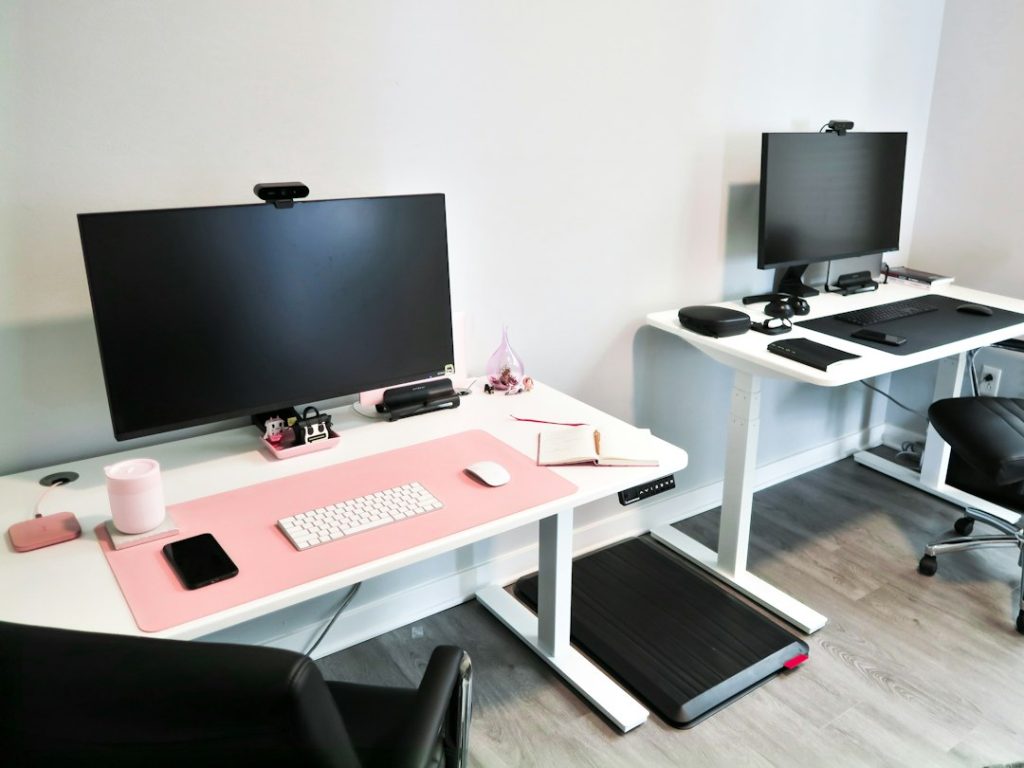
🧰 Tools & Gear You’ll Need
- Under-desk walking pad treadmill
- Comfortable, supportive footwear (avoiding high heels or stiff dress shoes)
- Stable desk setup that can accommodate the treadmill and your monitor(s)
- Optional: Wireless mouse and keyboard for greater freedom of movement
- Optional: Water bottle to stay hydrated
- Optional: Headphones for calls or music
- Good quality socks
The Undeniable Benefits: Boosting Productivity and Well-being
The traditional office environment often involves prolonged sitting, a habit linked to a host of health issues and decreased cognitive function. The rise of remote work has offered flexibility, but many find themselves tethered to their desks for even longer periods. Integrating an under-desk walking pad treadmill is a direct countermeasure to this sedentary lifestyle, offering a potent, practical solution for enhancing both your physical health and your work output. This isn’t just about burning a few extra calories; it’s about fundamentally rethinking your relationship with your workspace and leveraging movement to unlock peak performance.

Combating Sedentary Work: Beyond the 3 PM Slump
The dreaded afternoon slump is a common adversary for remote workers. Energy levels dip, focus wavers, and motivation dwindles. While coffee or a quick snack might offer temporary relief, these are often band-aid solutions. Regular, low-intensity movement, like walking on an under-desk treadmill, stimulates blood flow to the brain and muscles, counteracting fatigue more effectively and sustainably. By incorporating short walking intervals throughout the day, you can maintain more consistent energy levels, preventing that sharp decline in productivity that often characterizes the latter half of the workday. Think of it as proactive energy management rather than reactive recovery.
Enhancing Focus and Cognitive Function Through Movement
Contrary to what some might believe, multitasking by walking and working intensely doesn’t necessarily diminish focus; it can actually enhance it. Physical activity increases the supply of oxygen and glucose to the brain, which are vital for cognitive processes like concentration, problem-solving, and memory recall. Studies have shown that even moderate exercise can improve executive functions, such as planning, decision-making, and task switching. When you’re walking, your mind can often wander constructively, allowing for creative insights and a fresh perspective on complex problems that might be missed when rigidly seated.
Proven Health Advantages of Consistent Low-Impact Exercise
The health benefits of incorporating more movement into your day are well-documented. Regular, low-impact exercise like walking on a treadmill can:
- Improve cardiovascular health by strengthening the heart and improving circulation.
- Help manage weight and reduce the risk of obesity-related diseases.
- Lower blood pressure and cholesterol levels.
- Reduce the risk of developing type 2 diabetes.
- Alleviate back pain and improve posture, common complaints among desk workers.
- Boost mood and reduce symptoms of anxiety and depression.
Integrating this habit into your work routine means you’re consistently reaping these rewards without needing to carve out dedicated gym time. It’s about making health a seamless part of your professional life.
Choosing the Right Under-Desk Walking Pad Treadmill for Your Routine
Not all under-desk treadmills are created equal. The market is flooded with options, and selecting the right one requires careful consideration of your specific needs and workspace. A hasty decision can lead to a bulky, noisy, or underpowered machine that quickly becomes a hindrance rather than a help. The goal is to find a reliable companion for your workday, not another piece of equipment to manage.

Key Features to Consider: Durability, Noise Level, and Speed Range
When evaluating potential under-desk treadmills, pay close attention to these critical features:
- Durability & Build Quality: Look for treadmills constructed with robust materials. A sturdy frame and a reliable motor are essential for frequent, long-term use. Read reviews that specifically mention how well the unit holds up after months or years of consistent use. Many cheaper models use less durable plastics or motors that overheat easily.
- Noise Level: This is paramount, especially if you share your workspace, live with others, or participate in frequent calls. Look for models advertised as “quiet” or “low-noise.” Check user reviews for honest feedback on the actual noise produced during operation. Some treadmills can be surprisingly loud, disruptive to both you and those around you.
- Speed Range: Most under-desk treadmills operate at lower speeds, typically between 0.5 to 6 mph. Ensure the range meets your needs. Some models offer a wider range, allowing for brisk walking or even light jogging, while others are strictly for slow, steady walking. Consider if you’ll primarily use it for gentle movement or something more vigorous.
- Size & Portability: Measure your under-desk space meticulously. Consider the treadmill’s length, width, and height. If you plan to move it frequently, check for built-in wheels and overall weight. Some are designed to be permanently stationed, while others are more portable.
- Control Interface: Most come with a remote control, but some also offer app integration or console controls. Ensure the controls are intuitive and easy to use, especially when you’re focused on work.
Top Under-Desk Walking Pad Treadmills for Remote Workers: Expert Picks
Based on current market trends and user feedback, here are a few categories of excellent under-desk walking pads. Keep in mind that specific model numbers change rapidly, so focus on the brand’s reputation and the core features.
Specific Model 1 Review: Best for Compact Spaces
Brands like WalkingPad (various models like the A series) are often praised for their compact design and folding capabilities, making them ideal for smaller home offices. These units typically prioritize space-saving features, sometimes allowing them to be tucked away or stored easily. However, this compactness can sometimes come at the expense of a slightly smaller walking belt or a lower maximum speed.

Specific Model 2 Review: Top Pick for Quiet Operation
For those highly sensitive to noise or frequently on calls, models from brands such as UREVO or GoTRUiT often receive commendations for their quieter motors. These treadmills invest in motor technology and belt design aimed at minimizing sound output. While they might come at a slightly higher price point, the peace and quiet they offer are often worth the investment for focused work and undisturbed meetings. Look for models that explicitly highlight noise reduction technology.
Specific Model 3 Review: Most Durable for Long Hours
If you plan to spend significant portions of your workday on the treadmill, durability is key. Brands like Sunny Health & Fitness or Horizon Fitness sometimes offer under-desk models built with more robust frames and powerful motors designed for extended use. These models might be slightly bulkier or pricier but are engineered to withstand heavy daily mileage without overheating or showing premature wear. Check specifications for continuous motor ratings and frame construction.
Crafting Your Under-Desk Walking Routine: A Step-by-Step Integration Guide
Simply owning an under-desk treadmill isn’t enough; the real magic happens when you integrate it thoughtfully into your daily workflow. This requires setting realistic expectations, understanding how to sync movement with tasks, and ensuring your workspace is optimized for both safety and comfort.
Set Realistic Goals
Start small. Don’t aim to walk for eight hours straight on day one. Begin with 15-20 minute intervals a few times a day. Gradually increase the duration and frequency as your stamina improves. Many users find success with a pattern of 30-60 minutes of walking spread throughout the day, broken into 15-30 minute segments. The key is consistency, not intensity, especially in the beginning.
Sync Walking Intervals with Your Work Tasks
Map out your workday and identify tasks that are suitable for walking. Lighter tasks like responding to emails, reading non-critical documents, or participating in less demanding calls are perfect. Reserve highly concentration-intensive tasks, complex coding, or intricate data analysis for when you’re seated. Consider using walking breaks to transition between different types of tasks, helping your brain reset.
Optimize Your Workspace for Ergonomics and Safety
Ensure your desk height is appropriate for walking. You should be able to type comfortably with your wrists relatively straight, and your monitor(s) should be at eye level. Use a laptop stand or monitor risers if necessary. Keep the area around the treadmill clear of obstructions. Always wear supportive shoes – walking barefoot or in slippers on a treadmill is a recipe for injury. Ensure the treadmill’s emergency stop clip is functional and always attached to your clothing.

Overcoming Common Challenges and Maintaining Momentum
Integrating any new habit comes with its hurdles. With an under-desk walking pad, common challenges include maintaining motivation, managing distractions, and avoiding injury. Having strategies in place beforehand can make the difference between long-term success and abandoning the treadmill after a few weeks.
Strategies for Staying Motivated When Energy Dips
Motivation naturally ebbs and flows. When you feel your energy waning, resist the urge to simply stop. Instead, use it as a cue to engage with your treadmill. Try listening to uplifting music or podcasts, setting small, achievable goals for each walking session (e.g., “walk for 20 minutes without stopping”), or using a fitness tracker to monitor progress and celebrate milestones. Sometimes, simply changing the walking speed slightly can provide a novel stimulus.
Managing Distractions and Maintaining Focus While Walking
The key here is task matching. If you find yourself easily distracted while walking, it might mean you’re trying to tackle tasks that require too much intense focus. Switch to more passive activities like listening to audiobooks, podcasts, or even just enjoying the sensation of movement. For tasks that require some visual input but not deep concentration, consider using a second monitor placed further away or angled to reduce distraction. Practice mindfulness to gently bring your focus back when it drifts.
Preventing Injury and Listening to Your Body
The most common injuries associated with under-desk treadmills stem from improper footwear, poor posture, or pushing too hard too soon. Always wear supportive shoes. Maintain good posture – stand tall, engage your core, and avoid hunching over your keyboard. If you feel any sharp pain, stop immediately. Muscle soreness is normal, but joint pain or persistent discomfort is a sign to rest or reassess your setup and routine. Gradually increasing speed and duration is crucial for preventing overuse injuries.
Advanced Integration: Maximizing Your Walking Pad Treadmill’s Potential
Once you’ve mastered the basics, you can explore more sophisticated ways to leverage your under-desk walking treadmill to enhance creativity, deepen focus, and even improve the quality of your virtual interactions.
Pairing Movement with Deep Work Sessions
While intense concentration is often best done seated, moderate walking can surprisingly support certain types of deep work. For tasks involving creative problem-solving, strategic planning, or brainstorming, a steady walking pace can help maintain mental clarity and generate new ideas. The rhythmic motion can quiet the mental chatter, allowing subconscious processing to occur. Experiment with different speeds to find what works Best for your cognitive load.
Utilizing Walking for Creative Brainstorming and Problem-Solving
The “walking meeting” concept, popularized by tech giants, can be adapted for your home office. When faced with a complex problem, step onto your treadmill. Use the time to simply walk and think, letting ideas flow without judgment. Alternatively, use a whiteboard or notepad (or a digital equivalent) to jot down thoughts as they arise. The combination of physical movement and mental exploration is a powerful tool for innovation.
Integrating Walking into Virtual Meetings and Calls
For audio-only calls or meetings where camera use isn’t critical, walking can be an excellent way to stay engaged and energized. Simply mute your microphone when you’re not speaking and keep the walking speed at a comfortable level. This is particularly useful for longer meetings or ones where you’re primarily listening. Ensure your microphone quality is good enough that your walking doesn’t create excessive background noise for others. If video is required, consider using a standing desk setup that allows you to transition between sitting, standing, and walking more easily.
The Future of Remote Work: Walking Pad Treadmills as a Standard Feature
As remote and hybrid work models become more entrenched, the focus on employee well-being and productivity tools will only intensify. Under-desk walking pad treadmills are poised to move from a niche accessory to a more standard feature in home and even some office workspaces, driven by their proven benefits and increasing affordability.
Emerging Trends and Innovations in Under-Desk Fitness Tech
The market is evolving rapidly. We’re seeing treadmills become slimmer, quieter, and smarter. Innovations include better app integration for tracking and personalized coaching, improved motor efficiency for longer lifespan and quieter operation, and more intuitive control systems. Some manufacturers are exploring AI-driven adjustments that modify speed based on your work task or biometric feedback. Expect to see more focus on sustainability in materials and energy consumption.
Long-Term Impact: Building Sustainable Healthy Habits in 2026 and Beyond
The true power of an under-desk walking treadmill lies in its ability to foster sustainable healthy habits. By seamlessly weaving movement into the fabric of your workday, you’re not just getting exercise; you’re fundamentally changing your lifestyle. This consistent, low-barrier activity can lead to significant long-term health improvements, increased longevity, and a greater overall sense of well-being. As we move further into the era of flexible work, expect these tools to become indispensable for maintaining a healthy and productive professional life.