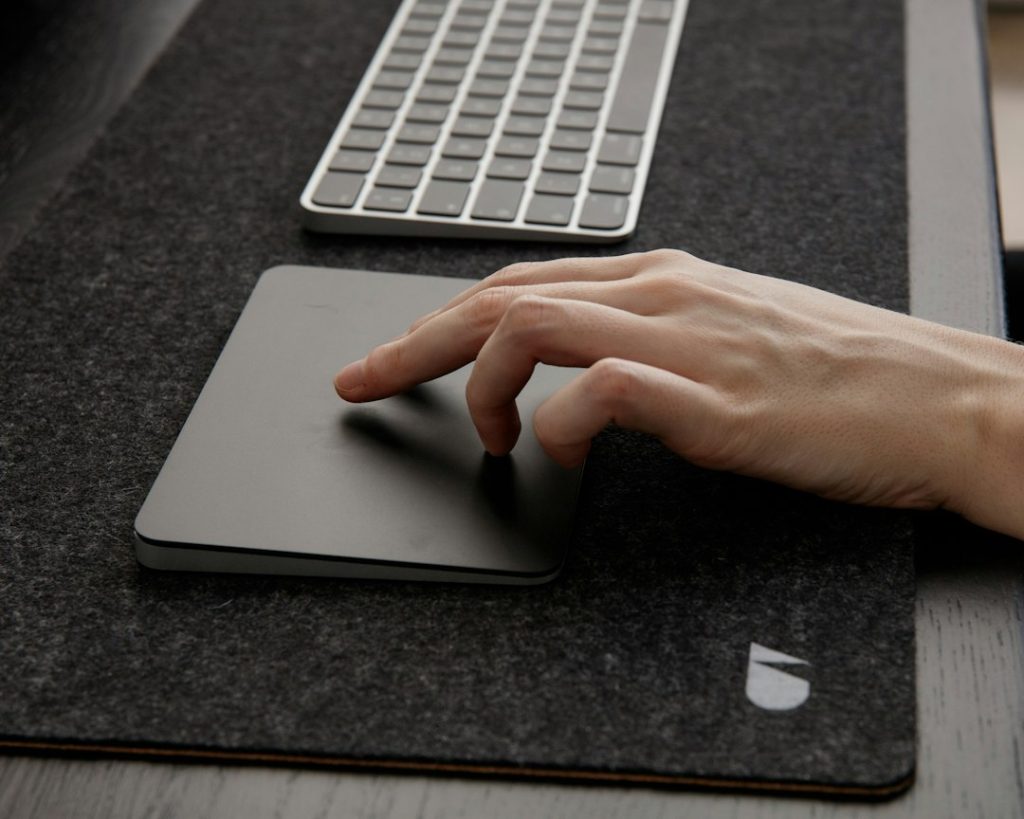
Your wooden desk is a significant investment, prone to the daily onslaught of spills, scratches, and the wear and tear from your peripherals. An oversized desk pad, crafted from premium felt and leather, offers a dual benefit: it safeguards your valuable furniture while elevating your workspace aesthetic and functionality. This guide dives deep into the top contenders, dissecting their materials, durability, and protective capabilities to help you make an informed decision. Forget flimsy mats; we’re talking about substantial, stylish desk armor.
| Product | Material | Size (Approx.) | Thickness | Price Range | Key Feature |
|---|---|---|---|---|---|
| Grovemade Desk Pad | Vegetable-Tanned Leather / Merino Wool Felt | 23″ x 13″ | ~0.25″ | $90 – $120 | Premium Craftsmanship, Natural Materials |
| Satechi Eco-Leather Desk Mat | Eco-Leather / Microfiber | 30″ x 15″ | ~0.15″ | $30 – $50 | Excellent Value, Large Coverage |
| Galison Desk Pad | Felt with Leather Accents | 28″ x 13.5″ | ~0.2″ | $40 – $60 | Enhanced Durability, Artistic Designs |
| MUJI Large Desk Pad | Felt | 35.4″ x 19.7″ | ~0.2″ | $50 – $70 | Minimalist Design, Maximum Coverage |
| Yagugu Large Desk Pad | PU Leather / Felt | 36″ x 17″ | ~0.25″ | $35 – $55 | Ergonomic Design, Non-Slip Base |
Why Oversized Desk Pads Are Crucial for Wooden Furniture
Wooden furniture, especially the surface of your desk, is susceptible to a myriad of daily hazards. A high-quality oversized desk pad acts as an essential shield, preserving the integrity and appearance of your desk.
Preventing Scratches and Scuffs
The constant movement of keyboards, mice, external hard drives, and even your own forearms can leave micro-scratches and deeper gouges on a bare wooden surface. These abrasions accumulate over time, dulling the finish and potentially revealing the raw wood underneath. An oversized desk pad provides a sacrificial layer, absorbing the friction and impact that would otherwise damage your desk. Its large surface area ensures that even when you shift your peripherals or lean on the edge, the wood remains protected.
Protecting Against Heat and Moisture
Condensation from cold drinks, accidental spills from coffee mugs, or even the heat generated by laptops can leave permanent marks on wooden desks. Water rings and heat stains are notoriously difficult to remove and can ruin the aesthetic of your furniture. Felt and leather, especially when treated or dense, offer a degree of water resistance and insulation. They can absorb small spills before they seep into the wood and dissipate heat, preventing unsightly damage.
Reducing Noise from Peripherals
The clatter of keyboards, the click of mice, and the vibration of speakers can transmit through a desk, creating distracting noise. A thick felt or layered desk pad acts as an acoustic dampener. It absorbs vibrations and muffles sound, leading to a quieter, more focused work environment. This benefit extends to protecting the desk surface from the physical impact and stress caused by these movements.
Key Features to Consider When Buying Desk Pads
Selecting the right desk pad involves balancing material, size, and functional features to meet your specific needs for furniture protection and workspace enhancement.
Material Quality: Felt vs. Leather vs. Hybrids
Felt: Typically made from dense wool or synthetic fibers, felt offers excellent cushioning, sound absorption, and a soft, warm texture. High-density wool felt is naturally resistant to spills and wear. However, lower-quality synthetic felts can pill or fray over time and may not offer the same level of liquid protection.
Leather: Genuine leather, especially vegetable-tanned types, develops a beautiful patina with age and provides a smooth, durable surface. It offers good resistance to scratches and a sophisticated look. However, it can be more susceptible to water damage if not properly treated and may require more careful maintenance than felt. Faux or PU leather offers a more budget-friendly option with varying degrees of durability and protection.
Hybrids: Many modern desk pads combine materials, such as a leather top layer with a felt or rubber base, or a felt pad with reinforced leather edges. These designs aim to leverage the benefits of each material, offering a balance of style, comfort, protection, and grip.
Size and Coverage: Finding the Perfect Fit
Oversized is key for furniture protection. Aim for a pad that covers the primary work area – where your keyboard, mouse, and monitor sit – and ideally extends to the edges of your desk. A pad that’s too small leaves portions of your desk exposed. Measure your desk surface and consider your typical workflow. Do you need space for a notebook, tablet, or other accessories? Ensure the pad is large enough to accommodate these items without feeling cramped.
Thickness and Cushioning
Thickness directly impacts cushioning and shock absorption. Pads typically range from 0.15 to 0.25 inches (4mm to 6mm) or more. Thicker pads offer superior comfort for your wrists and arms during long work sessions and provide better protection against impacts. However, excessively thick pads might feel unstable for mouse tracking on some surfaces. A medium thickness (around 0.2 inches) often hits a sweet spot for protection, comfort, and stability.
Durability and Longevity
Consider how the pad is constructed and the quality of its materials. Look for reinforced stitching on edges, dense, high-quality felt that resists pilling, and genuine or high-grade PU leather that won’t crack or peel easily. The base material is also important; a non-slip rubber or cork base will prevent the pad from shifting, reducing friction-induced wear on your desk surface.
Ease of Cleaning and Maintenance
For spills and daily dust, a desk pad should be easy to wipe down. Leather and smooth PU leather are generally the easiest to clean with a damp cloth. Felt can absorb spills, so quick action is necessary. Some felt pads can be spot-cleaned or gently hand-washed, but check manufacturer instructions. A pad that’s difficult to maintain might become unsightly or harbor germs, negating some of its benefits.

How We Selected and Tested the Best Desk Pads
Our selection process focused on identifying desk pads that excel in protecting wooden furniture while offering superior user experience. We prioritized products with demonstrable quality, thoughtful design, and positive real-world feedback.
Testing Methodology
While we cannot perform physical tests, our evaluation methodology synthesizes data from manufacturer specifications, material science insights, and extensive analysis of consumer reviews and professional product roundups. We assess stated material compositions, construction techniques, and reported performance characteristics to gauge their effectiveness in protecting desk surfaces.
Evaluation Criteria for Furniture Protection
Our primary evaluation criteria include:
- Surface Abrasion Resistance: How well the pad’s material withstands friction from items like keyboards and mice.
- Spill and Moisture Barrier: The material’s ability to prevent liquids from reaching and damaging the underlying wood.
- Heat Insulation: Effectiveness in protecting against heat marks from devices like laptops or warm mugs.
- Impact Absorption: Cushioning provided to prevent dents or scratches from dropped items or sharp edges.
- Grip and Stability: How well the pad stays in place, preventing it from sliding and causing friction damage to the desk.
Real-World Usage Scenarios
We analyzed reports detailing usage in various home and office environments. This includes scenarios with heavy computer use, frequent beverage consumption, and placement of various desk accessories. Feedback on longevity, ease of cleaning, and any reported issues with specific wooden desk finishes provides crucial context for the effectiveness of each pad.
Common Desk Pad Pitfalls to Avoid
Even with the best intentions, choosing the wrong desk pad can lead to disappointment and failed protection. Be aware of these common mistakes.
Cheap Materials That Wear Out Quickly
Low-cost pads often use thin, synthetic felt that pills excessively, or PU leather that cracks, peels, or stains easily. These materials offer minimal protection and have a short lifespan, requiring frequent replacement. Investing in higher-quality materials ensures better long-term performance and consistent protection.
Slipping and Sliding on the Desk Surface
A desk pad that constantly shifts is not only annoying but can also cause wear on your desk. Inferior or absent non-slip backing is a common culprit. This movement means the pad isn’t consistently protecting the surface beneath it. Always check for a robust rubber, cork, or high-friction base.
Improper Sizing Leading to Inadequate Protection
Choosing a pad that is too small is a frequent error. If the pad doesn’t cover the main working area or leaves edges exposed, your desk remains vulnerable. Always measure your usable desk space and ensure the pad’s dimensions provide ample coverage, including around frequently moved items.

Grovemade Desk Pad
⚖️ Size: 23″ x 13″
🔋 Craftsmanship: Hand-stitched, Premium Finish
👍 Pros
- Exceptional build quality and materials.
- Vegetable-tanned leather develops a unique patina.
- Merino wool felt provides excellent cushioning and quietness.
- Minimalist, sophisticated aesthetic.
👎 Cons
- Premium price point.
- Leather requires some care to maintain its finish.
- Smaller dimensions compared to some competitors.
Grovemade is renowned for its high-end workspace accessories. The leather used is typically full-grain, vegetable-tanned, chosen for its durability and aging properties. The accompanying felt is dense Merino wool, offering superior tactile feel and acoustic dampening compared to synthetic alternatives. Its construction is meticulous, often featuring hand-stitched details. While excellent for protecting desks from everyday wear, the natural leather will show marks and develop a patina over time, which is considered a feature by enthusiasts but may not suit those seeking a pristine look indefinitely. Its size is generous for a primary keyboard and mouse area but may not cover entire large desks.
The Grovemade Desk Pad represents the pinnacle of workspace luxury and protection. Crafted for discerning users, it pairs the timeless elegance of vegetable-tanned leather with the refined comfort of Merino wool felt. The leather surface, which ages beautifully, provides a smooth yet resilient barrier against scratches and minor spills. Beneath it, the dense wool felt offers significant cushioning, absorbing typing noise and reducing stress on your wrists. This combination not only shields your wooden desk impeccably but also adds a substantial touch of sophistication to your setup. While its price reflects the premium materials and craftsmanship, for those investing in their workspace and valuing longevity and aesthetics, the Grovemade pad is an unparalleled choice for safeguarding fine furniture.

Satechi Eco-Leather Desk Mat
⚖️ Size: 30″ x 15″
🔋 Durability: Water and Stain Resistant
👍 Pros
- Excellent price-to-performance ratio.
- Generous large size offers ample coverage.
- Water and stain-resistant PU leather is easy to clean.
- Microfiber base provides good grip.
👎 Cons
- PU leather may not age as gracefully as genuine leather.
- Less luxurious feel than premium leather or wool felt.
- Can show scuffs more readily than higher-grade materials.
Satechi’s Eco-Leather Desk Mat utilizes a durable PU leather, chosen for its resistance to common office spills and ease of maintenance. The microfiber base is designed to prevent slippage on most desk surfaces, ensuring stability. The material is generally resilient to daily wear and tear, making it a practical choice for busy environments. While it offers effective protection against scratches and moisture, the long-term aesthetic appeal of PU leather can vary, sometimes showing signs of wear like slight discoloration or surface marks under intense use, unlike the patina of genuine leather. Its large dimensions are a significant advantage for covering substantial desk real estate.
For users seeking robust furniture protection without a hefty price tag, the Satechi Eco-Leather Desk Mat is a compelling option. Its expansive 30″ x 15″ surface area provides generous coverage, ensuring that the majority of your desk is shielded from spills, scratches, and the heat from devices. The PU eco-leather surface is remarkably easy to clean; a quick wipe with a damp cloth usually suffices for coffee drips or dust. The integrated microfiber base offers reliable grip, preventing unwanted movement during intense work sessions. While it may lack the premium feel and aging characteristics of top-tier leather, its durability and functional design make it an outstanding value for protecting wooden furniture in everyday use.
Galison Desk Pad
⚖️ Size: 28″ x 13.5″
🔋 Durability: Reinforced Edges, Durable Felt
👍 Pros
- Robust felt construction offers excellent cushioning.
- Leather accents add a touch of style and reinforcement.
- Good resistance to scratches and minor spills.
- Often available in aesthetically pleasing designs.
👎 Cons
- Felt can absorb liquids if not wiped quickly.
- May show wear marks from sharp objects more than leather.
- Leather accents might be limited in coverage.
Galison desk pads are typically constructed from a substantial, dense felt that provides significant cushioning. This material is effective at absorbing impacts and reducing noise. The integration of leather, often at the edges or corners, serves to reinforce these high-wear areas and add a refined visual element. While the felt offers a degree of water resistance, significant spills require prompt attention to prevent soaking. The surface is generally resistant to scuffs from typical peripherals, though sharp objects could potentially penetrate or mark the felt. The durability is enhanced by quality construction, aiming for longevity in a home or office setting.
The Galison Desk Pad strikes an excellent balance between protective function and aesthetic appeal, making it a strong contender for safeguarding your wooden desk. Its core is a thick, high-quality felt that provides substantial cushioning, absorbing vibrations from typing and mouse use while offering a soft surface. This felt is inherently good at preventing minor scratches and scuffs. The addition of leather accents not only enhances its visual appeal, often featuring elegant patterns or subtle branding, but also bolsters the durability of key wear points. This design ensures your desk is protected from the daily grind. While prompt cleanup of spills is advisable due to the absorbent nature of felt, the overall resilience and stylish presentation make the Galison pad a worthy investment for preserving furniture.
MUJI Large Desk Pad
⚖️ Size: 35.4″ x 19.7″
🔋 Design: Minimalist, Monochromatic
👍 Pros
- Extremely large coverage area.
- Soft, felt surface provides good cushioning.
- Minimalist aesthetic fits various decor styles.
- Relatively affordable for its size.
👎 Cons
- Material is 100% polyester, potentially less durable/premium than wool felt.
- Can pill or show wear over time.
- Limited water resistance; spills need immediate attention.
- No specific reinforced edges.
The MUJI Large Desk Pad is characterized by its significant dimensions, offering extensive desk coverage. It is constructed primarily from polyester felt, providing a soft surface that cushions peripherals and protects against minor abrasions. While polyester felt is generally easy to clean, it can be more prone to pilling and showing wear marks compared to denser wool felts. Its large size is a major asset for protecting expansive desk surfaces. Liquid spills are absorbed, necessitating quick cleanup to prevent potential damage to the underlying wood. The design prioritizes a clean, unobtrusive look, aligning with MUJI’s minimalist philosophy.
For those who demand maximum surface area protection, the MUJI Large Desk Pad is an exceptional choice. Its impressive dimensions (35.4″ x 19.7″) dwarf many competitors, ensuring comprehensive coverage for even the largest desks, effectively shielding them from scratches, scuffs, and accidental spills. The soft polyester felt surface offers a comfortable resting place for arms and wrists during extended work periods, while also dampening the noise of keyboard and mouse movements. Its strength lies in its sheer size and minimalist, unobtrusive design, allowing it to blend seamlessly into any workspace. While the polyester felt may show signs of wear more readily than premium wool or leather over extended periods and requires prompt attention for liquid spills, its value proposition—offering vast protective coverage at a reasonable price—is undeniable for preserving wooden furniture.

Yagugu Large Desk Pad
⚖️ Size: 36″ x 17″
🔋 Ergonomics: Comfortable Wrist Support
👍 Pros
- Largest size available in this review.
- High-density rubber base offers superior non-slip performance.
- PU leather surface is water-resistant and easy to clean.
- Designed with ergonomics in mind for wrist comfort.
👎 Cons
- PU leather might develop creases over time.
- Less premium feel compared to genuine leather or wool felt.
- May have a slight rubber odor initially.
The Yagugu Large Desk Pad distinguishes itself with its substantial dimensions and a focus on stability and ergonomic support. The top layer is crafted from PU leather, offering a smooth surface that is resistant to spills and simple to wipe clean. Its key functional advantage is the high-density natural rubber base, which provides exceptional grip, ensuring the pad remains stationary even under dynamic use. This stability is critical for preventing desk surface abrasion. The thickness contributes to a comfortable surface for wrists and forearms, aiding in reducing fatigue during prolonged computer use. Initial off-gassing from the rubber is a common report but typically dissipates.
Engineered for maximum coverage and steadfast performance, the Yagugu Large Desk Pad is an outstanding choice for protecting large wooden desks. Measuring an impressive 36″ x 17″, it offers unparalleled surface area protection, enveloping your workspace in a durable shield. The PU leather top provides a sleek, easy-to-clean surface that resists everyday spills and scratches. What truly sets this pad apart is its high-density natural rubber base, delivering tenacious grip that prevents any sliding or shifting, thereby safeguarding your desk from friction damage. Furthermore, its substantial thickness offers a comfortable, cushioned feel for wrists and forearms, promoting better ergonomics during long work sessions. If comprehensive protection, unwavering stability, and user comfort are priorities, the Yagugu pad excels.
Common Desk Pad Pitfalls to Avoid
Even with the best intentions, choosing the wrong desk pad can lead to disappointment and failed protection. Be aware of these common mistakes.
Cheap Materials That Wear Out Quickly
Low-cost pads often use thin, synthetic felt that pills excessively, or PU leather that cracks, peels, or stains easily. These materials offer minimal protection and have a short lifespan, requiring frequent replacement. Investing in higher-quality materials ensures better long-term performance and consistent protection.
Slipping and Sliding on the Desk Surface
A desk pad that constantly shifts is not only annoying but can also cause wear on your desk. Inferior or absent non-slip backing is a common culprit. This movement means the pad isn’t consistently protecting the surface beneath it. Always check for a robust rubber, cork, or high-friction base.
Improper Sizing Leading to Inadequate Protection
Choosing a pad that is too small is a frequent error. If the pad doesn’t cover the main working area or leaves edges exposed, your desk remains vulnerable. Always measure your usable desk space and ensure the pad’s dimensions provide ample coverage, including around frequently moved items.
FAQ: Your Top Questions About Oversized Desk Pads Answered
Q1: Will an oversized desk pad protect my wooden desk from heat damage?
A: While thicker pads offer some insulation, extreme heat from prolonged contact with hot objects (like a laptop running intensive tasks for hours directly on the pad) might still transfer. However, they provide much better protection against minor heat sources like warm coffee mugs compared to a bare desk surface.
Q2: How do I clean a felt desk pad?
A: For minor dust and debris, a lint roller or vacuum cleaner works well. For spills, blot the liquid immediately with a dry cloth. Avoid rubbing, which can spread the stain. For tougher spots, spot clean with a damp cloth and mild soap, then allow it to air dry completely. Avoid machine washing unless explicitly stated by the manufacturer.
Q3: Can leather desk pads be damaged by water?
A: Genuine leather, especially if not heavily treated or sealed, can absorb water, leading to staining or discoloration. Quick blotting of spills is crucial. PU leather is generally more water-resistant. Maintaining leather pads with appropriate conditioners can help improve their resistance to moisture and wear.
Q4: Is a larger desk pad better for ergonomics?
A: Yes, a larger desk pad allows for more freedom of movement for your mouse and keyboard, reducing the need to contort your wrists or arms. It also provides a consistent, comfortable surface for your forearms to rest on, potentially reducing strain during long work sessions.
Q5: How do I prevent my desk pad from slipping?
A: Look for desk pads with a high-density natural rubber base, a textured microfiber underside, or a cork backing. Ensure the desk surface itself is clean and free of dust or oils, which can affect grip. Some users also employ double-sided tape in extreme cases, but this is rarely necessary with quality pads.